How does Play Therapy help my child?
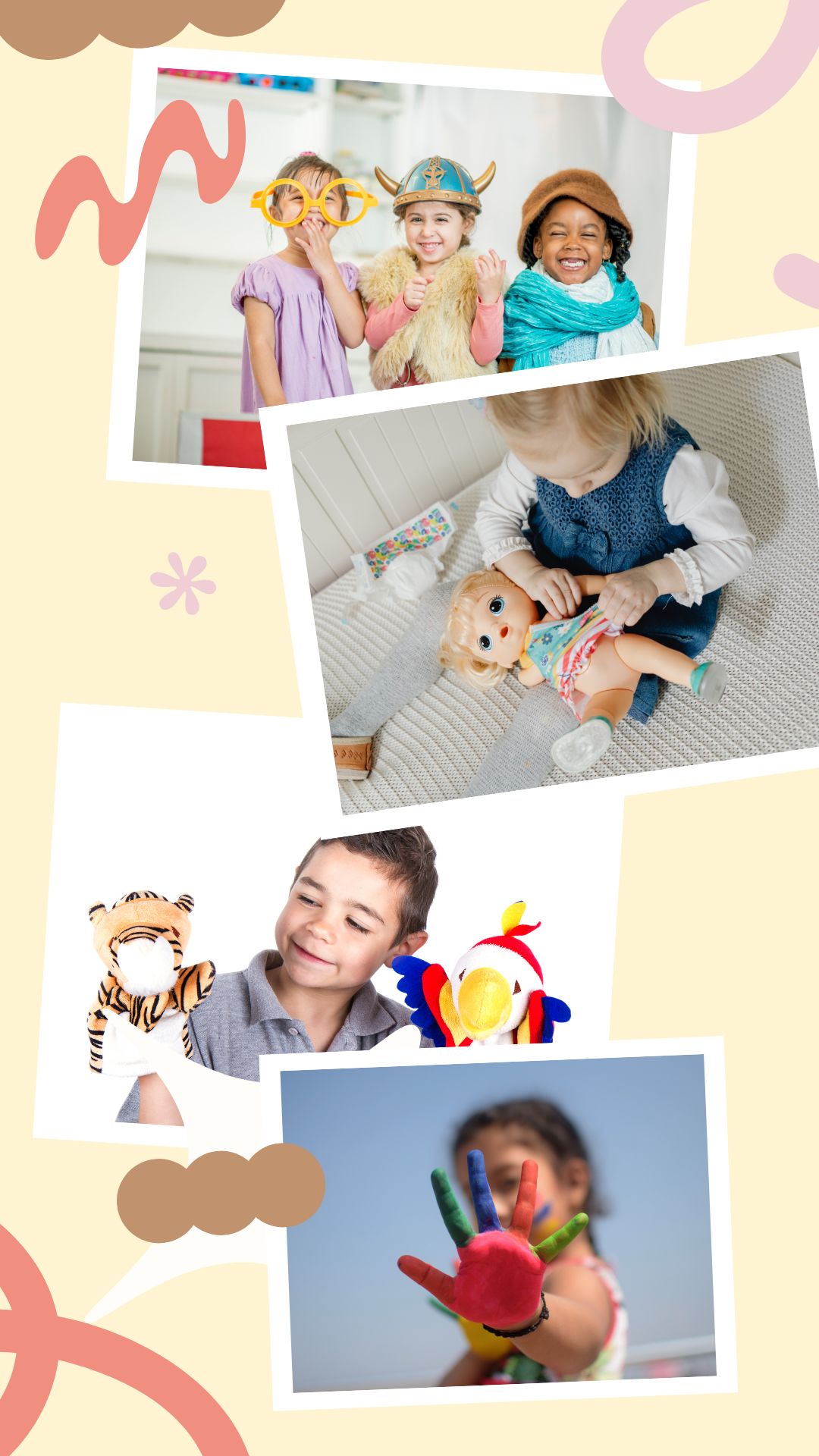
A child’s language is play!
“Why does my child need play therapy instead of talking?”
Play is the natural language of children.
While adults process experiences through words,
children communicate and make sense of the world through play.
Developmentally, children typically don’t have the cognitive capacity for abstract reasoning or traditional “talk therapy” until around 10–11 years of age. Before this, expecting children to sit, reflect, and verbalise complex emotions can be overwhelming and unrealistic.
Child-Centred Play Therapy is an evidence-based approach that meets children exactly where they are. It provides a safe, attuned space where the child leads, expresses themselves symbolically, and works through tricky experiences at their own pace.
Through the therapeutic relationship and play, children begin to internalise powerful messages:
“I am seen.”
“I am heard.”
“I am valued.”
And from that felt sense of safety, healing and growth naturally emerge.
“Play therapy is not about fixing the child; it is about providing a relationship in which the child can discover their own capacity for growth.”
Child-Centred Play Therapy (CCPT) is a well-established, evidence-based therapeutic approach grounded in humanistic and attachment-based principles. It was originally developed from the work of Virginia Axline and later expanded and researched extensively by Garry Landreth.
Over several decades, research has consistently shown that CCPT is effective in supporting children with:
emotional and behavioural difficulties
anxiety and low mood
trauma and attachment disruptions
social skills challenges
emotional regulation and self-esteem
Meta-analyses and outcome studies demonstrate that CCPT leads to significant improvements in children’s emotional expression, self-regulation, confidence, and relationships, particularly for children aged 3–10 years.
Rather than relying on verbal insight, CCPT works through the therapeutic relationship and play, which aligns with children’s developmental capacities. The approach is child-led and non-directive, allowing children to process experiences symbolically in ways that feel safe, natural, and empowering.